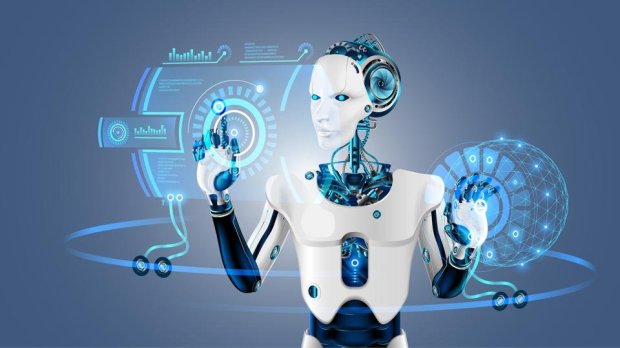
Robotics is a branch of engineering that combines mechanical, electrical and computer engineering to design, build and program a robot.
INTRODUCTION
The modern definition of a robot can be an electro-mechanical device which follows set instructions to carry out certain jobs, but literally means ‘slave’. robots find wide application in industries and thus are called there as industrial robots also sci-fi movies humanoids. this coming articles will provide introduction the robotics.
Robotics and Automation
When we think about robotics first thing that come to our mind is automation. Robots are known to perform tasks automatically without much human intervention, except for initial programming and instruction set being provided to them. The first machine, what I have seen in my childhood when we were on a visit to a milk processing plant, most close, to be called as a robot was a milk packaging machine. There was roll of packaging material running through the machine, each time half a liter of milk falls into the roll and then a mechanism in the machine seals and cuts the packet.
This machine can be a simple example of a very basic robot. It performs the specified sequence of operations repeatedly with the same accuracy. It was programmed and provided with the required material and then started.
Advancements in Robotics
The more advanced versions of robots seen now-a-days can perform operations adaptively, that is, changing the dimensions and other settings according to the requirements. One such advanced example of an adaptive robot is a stitching machine which can read the different dimensions of dress size on the personal card of a person and then cut the desired dress material and stitch it to the size fitting to the person.From a broad view, robotics is actually the continuous endeavor of robotics engineers to make machines capable of performing tasks as delicately as human can do and also the complicated, tough and repeated tasks which humans would prefer not to do. The advancements in the field robotics are made possible by use of microprocessors and microcontrollers with the intelligent combination of them with servo motors, sensors and actuators.
Robotics: Future Scope
Now the scope of robotics has widened and the robots which can only work on preprogrammed instructions irrespective of the environments they are working in are soon going to become outdated. The robots which are being developed these days can sense their surroundings and behave according to what they sense and make judgments on their own to how to respond. Far are not the days when robots would even sense and respond to feelings and could even express how they feel.
Components Of Robots
Robots consist of a variety of high tech components which are designed for accuracy, speed and convenience of operation. Some are for general purpose usage, while some are custom made to handle specific parts. The main components are the main body, end effectors, and grippers.
Main Body
An important component of a robot is the main body which holds the actuators and manipulators that create the activity for each axis of movement. The manipulator carries the end effectors which grip the objects. Mechanisms that provide response regarding the location are included for identification and rectification of any difference between the chosen position in accordance with the command and the existent position. The intelligence of the robot is in the control element, which directs the manipulator along the ideal route. A power supply is essential to activate the actuators.
End Effectors
End Effectors are a mechanism, which is located on the manipulator that pick up objects, grasp, and manage the movement of items in accordance with the designed parameters. They are designed specifically to handle desired parts and to move in the intended path. End Effectors can be used as nut drivers, accessory for welding processes, or guns for painting purposes. Types of End Effectors include:
Permanent Magnet End Effector:It consists of a permanent magnet that moves in an aluminium cylinder. When the actuator drives the magnet towards the front end of the cylinder, it holds ferrous parts. As the magnet is extracted from the cylinder, the magnetic field fades, and the parts are released. This type can be used for only ferrous parts, and has the benefit of managing parts with asymmetrical form as well as holding a number of parts concurrently.
Electro Magnet End Effector:It is easy to operate, and multiple end effectors can be positioned with the robot arm to perform multiple operations. Even with minor disturbance in the location of parts, or alterations in configuration and dimensions, these end effectors can function effectively. These types can be used for parts with uneven exterior shape, such as coarse ferrous castings or rounded components.
Vacuum End Effectors consists of a cup-shaped component, and when it comes into contact with a smooth part, vacuum is created in the cup which ensures that the part remains attached. Controls are used to generate or remove vacuum. This type of end effectors is used for delicate parts.
Grippers
Grippers are of the following types:
These Grippers are used for gripping components that have uncomplicated form, and can be utilized for inner or outer gripping. The outer gripper is similar to thumb and index finger, and can be utilized for holding a small part or that which is located in a densely filled assembly of components. A tailored form consists of two parallel fingers with disposable inserts that are designed to handle special parts.
” these types are similar to the thumb, index finger, and middle finger of human hand, used for holding parts that round or need revolving.

 Interesting Engineering