ROCKET PROPULSION

What is Rocket Propulsion?
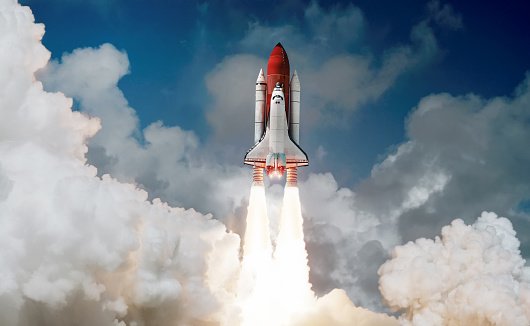
 

This article will review the basic characteristics of rocket propulsion, including the application of Newton’s Third Law of Motion, types of propellants, forces acting on rockets during flight, and more.

A rocket is an object that is propelled by the ejection of expanding gases that have been generated from propellants, and that does not depend upon external sources. The engine contains its own propellant and obtains forward motion by reactive propulsion. Propulsion is obtained by the ignition of the propellant, whereby the energy of explosion offers an opposite thrust that causes acceleration. Oxygen available in the atmosphere functions as the oxidizer for the fuel. Gases at an extremely high temperature are produced by combustion of solid, liquid, or gaseous fuel in a combustion chamber. These gases pass through a nozzle, and thermal energy is converted into kinetic energy, causing acceleration.

Parts of a Rocket

 A rocket is comprised of the following parts:

○      Rocket engines and nozzle

○      Propellant
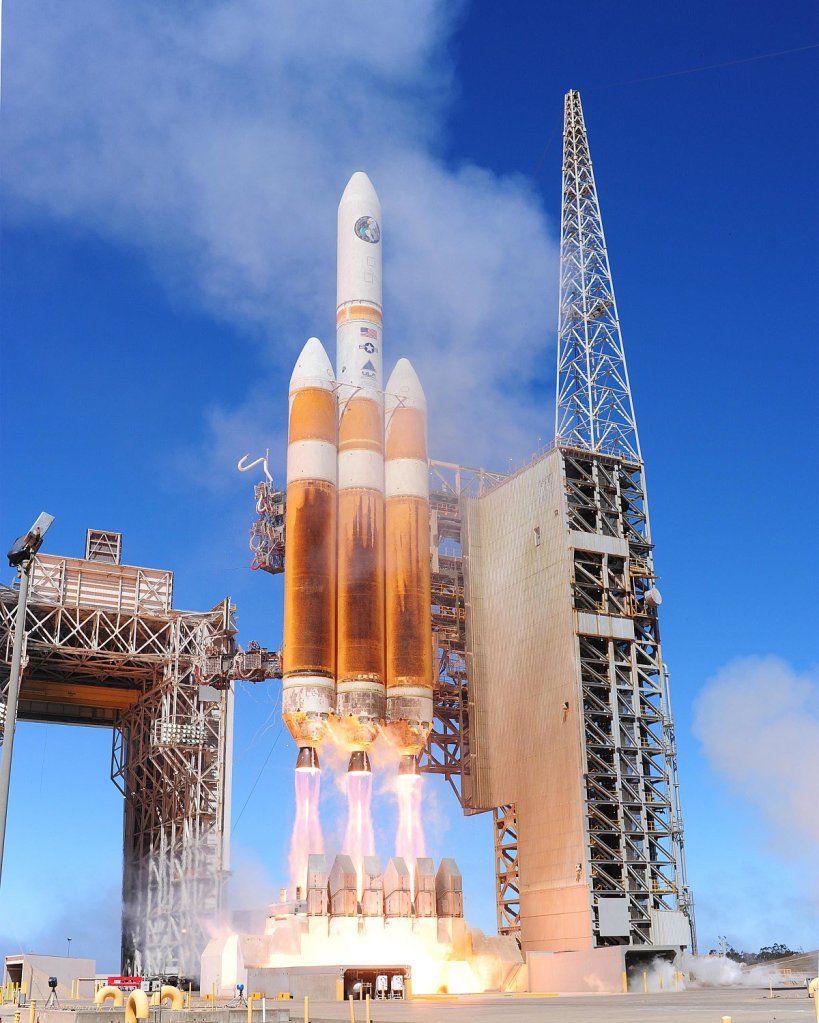
○      Propellant tank

○      Directional stabilization and navigational devices

○      Structure to hold the parts

○      Wings

○      Rocket tube or shell that covers and streamlines the rocket

Theory of Operation of Rockets

Propellants in the categories of gas, solid, liquid or a mixture of solid and liquid are used in rocket engines. A chemical reaction occurs in the combustion chamber between the fuel and oxidizer. The hot gases accelerate out from the rear of the rocket, causing thrust in the combustion chamber and producing propulsion on the principles of Newton�s Third Law. When the propellant is exhausted rearwards at a high speed, the rocket is propelled forward due to rocket thrust.

Rocket Propellants

The rate of flow of propellants is varied during a flight to control the thrust and speed of the vehicle and to minimize aerodynamic losses. Rocket propellants are of the following types:
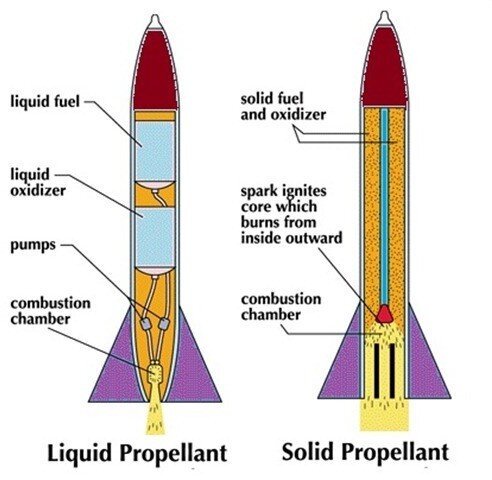
 Solid Propellant: Oxidizers is included in the fuel. It is simple and safe to manage the fuel. However, the combustion cannot be blocked after ignition of fuel.

Liquid Propellant: Liquid fuel and liquid oxidizer are utilized. During pre-launch, liquid fuel burns gradually until release of the oxidizer, producing sudden fast burning and adequate force for lifting. Regulation of fuel and oxygen supplies can control the rockets.

Hybrid Propulsion: Solid fuel and liquid oxidizer are employed. The solid fuel, when combined with liquid oxidizer, burns quickly. Thrust of the rocket can be varied by controlling the supply of oxygen.

Nuclear Propulsion: Nuclear energy is utilized for superheating of hydrogen gas, when it leaves the rocket at an extremely high speed. However, safety factors must be considered thoroughly while using nuclear energy.

Advanced Rocket Propulsion Concepts

○      Fusion Rocket Propulsion: Plasma at a high temperature from a fusion reactor is utilized as exhaust from the rocket. This technology is under active research.

○      Antimatter Catalyzed Nuclear Pulsed Propulsion: An extremely interesting and expensive proposal, still being researched. Nuclear pulse propulsion is a technique of propulsion that utilizes nuclear explosions to produce thrust. The capacity of the engine depends upon the size of the nuclear bombs necessary to produce thrust. Making these bombs in small ranges is difficult, and a heavy spacecraft structure is required for larger bombs. Antimatter catalyzed nuclear pulse propulsion is a form of a nuclear pulse propulsion that involves utilization of antimatter as a catalyst in nuclear reactions. By injecting slight antimatter into fuel, fission of the fuel is obtained. Use of antimatter spacecraft are planned to reduce fuel costs significantly.

Forces Acting on a Rocket

During flight, the following major forces act on the rocket:

○      Thrust of the engine

○      Lift

○      Aerodynamic drag that decides the minimum strength of the vehicle to prevent buckling.


Magnetic Levitation

What is Magnetic Levitation?

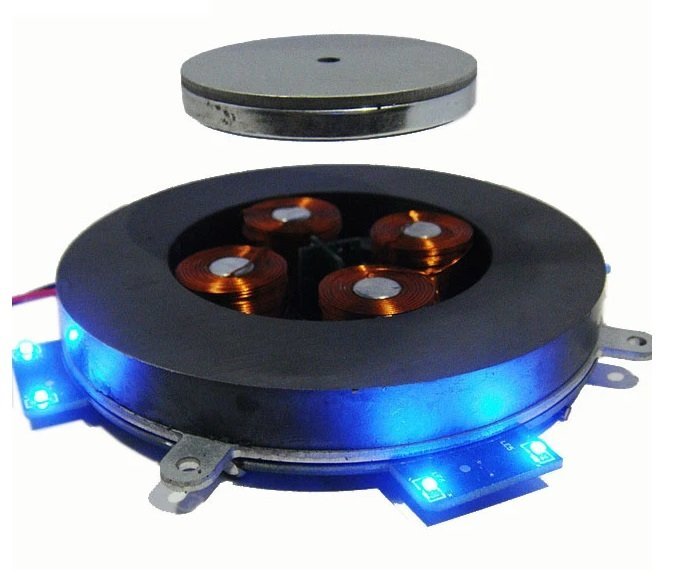
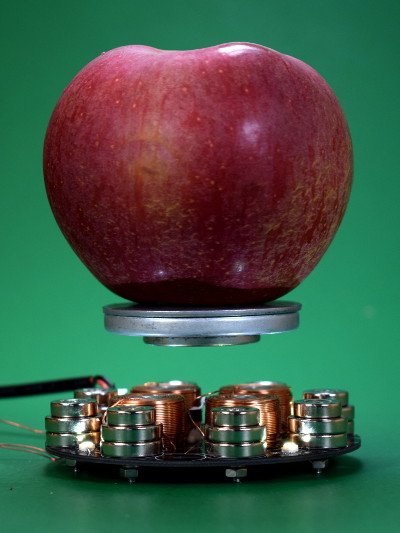
Magnetic Levitation is a way to suspend objects in air without any support, as if in defiance of gravity. An unsung phenomenon of the past which is now being put to use in a variety of interesting and useful applications.

Introduction

As a child you must have seen a ping pong ball being levitated on an air stream at the output pipe of a vacuum cleaner. Magnetic levitation, also known as maglev is used in a similar way to levitate objects in air without any support, using magnetic field.

All magnets, whether natural or electromagnets, have two poles. We all known that like poles repel and unlike poles attract. Magnetic levitation is the product of the repulsion generated as a result of two magnetic fields. An object is said to be levitated when the force created by electromagnetic repulsion equalizes the weight of the object. Technically, it’s the electromagnetic force counteracting the gravitational force.

 How Is Maglev Obtained?

It is proved that magnetic levitation cannot be obtained just by using static ferromagnetism, as the object would tend to gain instability. In order to create proper magnetic levitation condition, diamagnetic materials or superconductors have to be used. But in all these cases a little help from pseudo-levitation needs to be taken. Pseudo-levitation is a system that provides stability to the levitated object using a magnetic mechanism. For light objects, magnets made of diamagnetic materials are sufficient.

Diamagnetic substance

The atoms of a diamagnetic substance such as silver and bismuth, doesn’t have a specific dipole moment. When these objects are brought under the influence of a magnetic field, a dipole moment is induced in the direction opposite to that of the field applied. Because of this a repulsive force is generated that creates the desired levitation.

Another way of obtaining magnetic levitation is by using electromagnetism. Electrodynamic fields are created when electricity is passed through a conductor. The moving charges that are created as a result of the magnetism, provides a vertical push that is equal to the gravitational pull, which in turn help to produce a stable levitation condition. Heavier objects are generally levitated by this method.

Apart from these main methods, eddy currents or electrodynamic suspension, oscillating magnetic fields and permanent magnet suspension are also used.

Present And Future Use

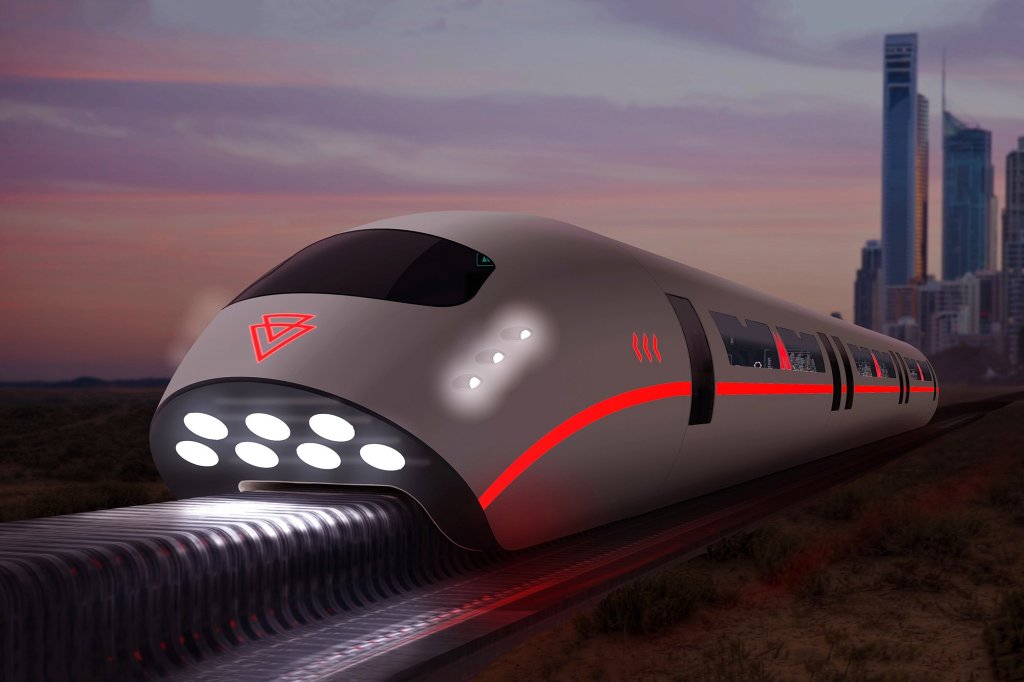
Maglev train is a famous application of the maglev technology . Almost all the prominent countries have these trains as a major mode of transport in their system. Apart from this, maglev toys are also quite famous and are available in all the markets. Some of the famous maglev toys are maglev toy train, maglev toy cars, maglev clocks etc.

Future might see maglev technology put to use in a variety of applications. Maglev cars are supposed to be under development. These cars wont require a track but would fly in air. NASA is working on a maglev catapult that is predicted to reduce the costs and launching problems of a spacecraft. Also, Maglev elevators are already made and soon be put to use in Japan and China.

Application of AI and Machine learning in Robotics.

Applying Artificial Intelligence and Machine Learning in Robotics

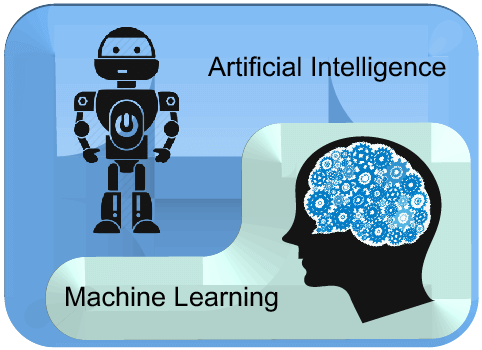
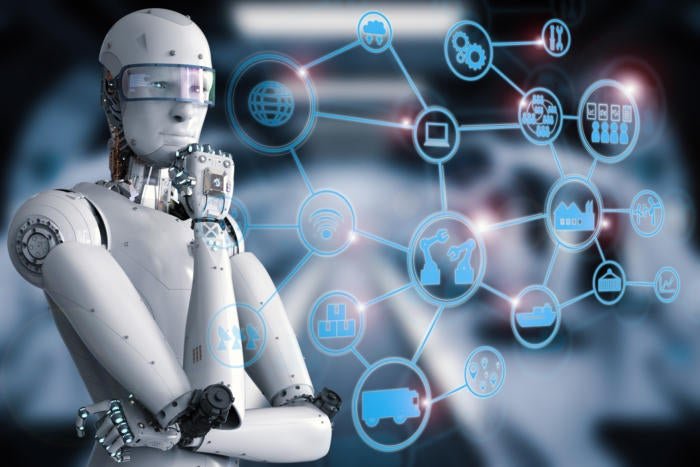
Artificial intelligence (AI) is set to disrupt practically every industry imaginable, and industrial robotics is no different. The powerful combination of robotics and AI or machine learning is opening the door to entirely new automation possibilities.

Currently, artificial intelligence and machine learning are being applied in limited ways and enhancing the capabilities of industrial robotic systems. We have yet to reach the full potential of robotics and machine learning, but current applications are promising.

4 Tenets of Artificial intelligence and Machine Learning in Robotics

There are four areas of robotic processes that AI and machine learning are impacting to make current applications more efficient and profitable. The scope of AI in robotics includes:

1.      Vision – AI is helping robots detect items they’ve never seen before and recognize objects with far greater detail.

2.      Grasping – robots are also grasping items they’ve never seen before with AI and machine learning helping them determine the best position and orientation to grasp an object.

3.      Motion Control – machine learning helps robots with dynamic interaction and obstacle avoidance to maintain productivity.

4.      Data – AI and machine learning both help robots understand physical and logistical data patterns to be proactive and act accordingly.

AI and machine learning are still in their infancy in regards to robotic applications, but they’re already having an important impact.

Two Types of Industrial Robot Applications Using Artificial Intelligence and Machine Learning

Supply chain and logistics applications are seeing some of the first implementations of AI and machine learning in robotics.

In one example, a robotic arm is responsible for handling frozen cases of food that are covered in frost. The frost causes the shape of the objects to change – the robot is not just presented different parts occasionally, it’s being continuously presented with differently shaped parts. AI helps the robot detect and grasp these objects despite the variations in shape.

Another prime example of machine learning involves picking and placing over 90,000 different part types in a warehouse. This volume of part types wouldn’t be profitable to automate without machine learning, but now engineers can regularly feed robots images of new parts and the robot can then successfully grasp these part types.

AI and machine learning will have a transformative impact on industrial robots. While these technologies are still in their infancy.

Robotics

Robotics is a branch of engineering that combines mechanical, electrical and computer engineering to design, build and program a robot.

INTRODUCTION

The modern definition of a robot can be an electro-mechanical device which follows set instructions to carry out certain jobs, but literally means ‘slave’. robots find wide application in industries and thus are called there as industrial robots also sci-fi movies humanoids. this coming articles will provide introduction the robotics.

Robotics and Automation

When we think about robotics first thing that come to our mind is automation. Robots are known to perform tasks automatically without much human intervention, except for initial programming and instruction set being provided to them. The first machine, what I have seen in my childhood when we were on a visit to a milk processing plant, most close, to be called as a robot was a milk packaging machine. There was roll of packaging material running through the machine, each time half a liter of milk falls into the roll and then a mechanism in the machine seals and cuts the packet.

This machine can be a simple example of a very basic robot. It performs the specified sequence of operations repeatedly with the same accuracy. It was programmed and provided with the required material and then started.

Advancements in Robotics

The more advanced versions of robots seen now-a-days can perform operations adaptively, that is, changing the dimensions and other settings according to the requirements. One such advanced example of an adaptive robot is a stitching machine which can read the different dimensions of dress size on the personal card of a person and then cut the desired dress material and stitch it to the size fitting to the person.From a broad view, robotics is actually the continuous endeavor of robotics engineers to make machines capable of performing tasks as delicately as human can do and also the complicated, tough and repeated tasks which humans would prefer not to do. The advancements in the field robotics are made possible by use of microprocessors and microcontrollers with the intelligent combination of them with servo motors, sensors and actuators.

Robotics: Future Scope

Now the scope of robotics has widened and the robots which can only work on preprogrammed instructions irrespective of the environments they are working in are soon going to become outdated. The robots which are being developed these days can sense their surroundings and behave according to what they sense and make judgments on their own to how to respond. Far are not the days when robots would even sense and respond to feelings and could even express how they feel.

Components Of Robots

Robots consist of a variety of high tech components which are designed for accuracy, speed and convenience of operation. Some are for general purpose usage, while some are custom made to handle specific parts. The main components are the main body, end effectors, and grippers.

Main Body

An important component of a robot is the main body which holds the actuators and manipulators that create the activity for each axis of movement. The manipulator carries the end effectors which grip the objects. Mechanisms that provide response regarding the location are included for identification and rectification of any difference between the chosen position in accordance with the command and the existent position. The intelligence of the robot is in the control element, which directs the manipulator along the ideal route. A power supply is essential to activate the actuators.

End Effectors

End Effectors are a mechanism, which is located on the manipulator that pick up objects, grasp, and manage the movement of items in accordance with the designed parameters. They are designed specifically to handle desired parts and to move in the intended path. End Effectors can be used as nut drivers, accessory for welding processes, or guns for painting purposes. Types of End Effectors include:

Permanent Magnet End Effector:It consists of a permanent magnet that moves in an aluminium cylinder. When the actuator drives the magnet towards the front end of the cylinder, it holds ferrous parts. As the magnet is extracted from the cylinder, the magnetic field fades, and the parts are released. This type can be used for only ferrous parts, and has the benefit of managing parts with asymmetrical form as well as holding a number of parts concurrently.

Electro Magnet End Effector:It is easy to operate, and multiple end effectors can be positioned with the robot arm to perform multiple operations. Even with minor disturbance in the location of parts, or alterations in configuration and dimensions, these end effectors can function effectively. These types can be used for parts with uneven exterior shape, such as coarse ferrous castings or rounded components.

Vacuum End Effectors consists of a cup-shaped component, and when it comes into contact with a smooth part, vacuum is created in the cup which ensures that the part remains attached. Controls are used to generate or remove vacuum. This type of end effectors is used for delicate parts.

Grippers

Grippers are of the following types:

These Grippers are used for gripping components that have uncomplicated form, and can be utilized for inner or outer gripping. The outer gripper is similar to thumb and index finger, and can be utilized for holding a small part or that which is located in a densely filled assembly of components. A tailored form consists of two parallel fingers with disposable inserts that are designed to handle special parts.

” these types are similar to the thumb, index finger, and middle finger of human hand, used for holding parts that round or need revolving.